
Versatile Design
Industrial design is concerned with the design of serially and therefore industrially manufactured products. A basic distinction is made between two areas of industrial design: the design of capital goods and consumer goods.
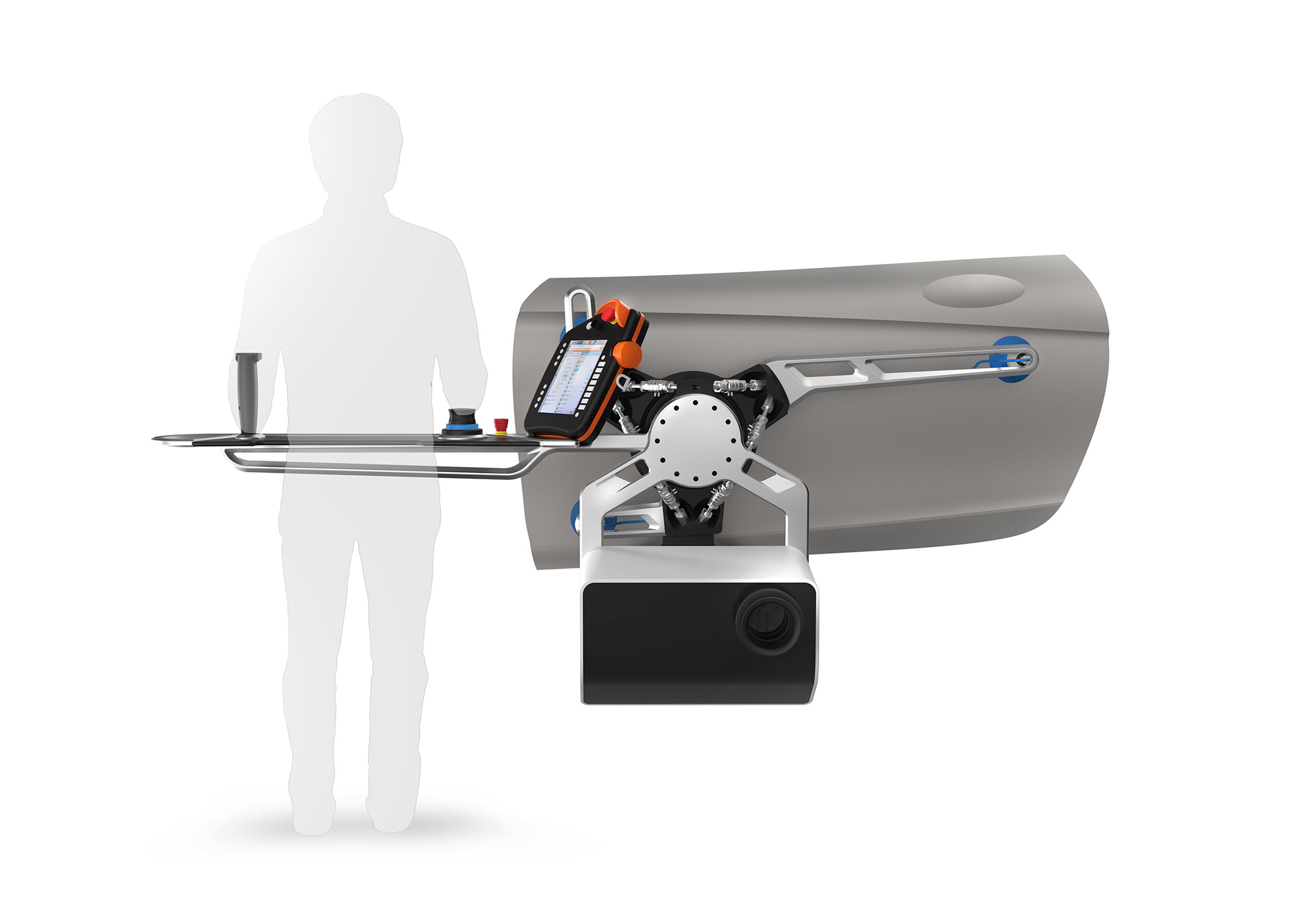
The area of capital goods includes, for example, production facilities, electronic devices for craft or industrial applications, medical technology systems and laboratory equipment as well as commercial vehicles such as trucks, buses or rail vehicles. Consumer goods include furniture, sanitary and electronic products and household appliances as well as vehicles used for private purposes such as cars, motorcycles, scooters and bicycles.
Design in development
Industrial design is the exciting combination of creative, artistic and rational, engineering-based activities in product development. Professional industrial design makes products new and innovative, ergonomically comfortable and aesthetically pleasing through the intelligent combination of form and function. The specific aim of industrial design is to appeal to all the human senses and evoke positive emotions in the observer or user, thereby distinguishing the product from its competitors and emphasising its uniqueness.
In summary, these characteristics are referred to as industrial design when the product is manufactured in small or large quantities, in series production. The distinction from the broader term ‘design’ therefore lies in the possibility of series production.
Good industrial designers must therefore always incorporate manufacturability and considerations regarding cost-effective production into their designs, such as the ‘design to cost’ principle developed by defortec.
Nowadays, industrial design is applied to almost every product in the world: electronics, furniture, tools, domestic appliances, sports equipment, medical devices, vehicles, aeroplanes, machinery and robots. The list could go on endless. Essentially, it can be said that there are hardly any products left today that have not been developed with industrial design.
Essential tasks of industrial design:
- Functionality: Products must fulfil their main function as innovatively and efficiently as possible
- Ergonomics: Products must provide a comfortable and safe user experience
- Aesthetics: Design must be attractive, evoke a positive emotional response in the viewer and differentiate brands in the long term.
- Cost-effectiveness: Materials and manufacturing processes must always be taken into account during design development, and the design concept must be cost-effective.
Your industrial design agency in the Stuttgart area
defortec generates individual industrial design for its customers at the highest creative level while at the same time complying with technical and quantitative specifications.
Capital Goods
Medical & Lab
User Interface
Consumer Goods
Model Making


